OMS Energy Technologies – Heavy Industry’s Frontier Tech Shift
OMS Energy Technologies – Heavy Industry’s Frontier Tech Shift
Singapore’s manufacturing sector is entering a phase where long-established industrial firms must rethink how they organise theiroperations, talent, and technology if they want to extract real value from AI, automation, and other frontier capabilities. OMS Energy Technologies(OMS), a Singapore-based supplier of surface wellhead systems and oil country tubular goods for the upstream oil and gas sector, illustrates how legacy heavy-industry players are reworking processes, culture, and business models to remain competitive in an environment defined by digital precision rather than mechanical familiarity.
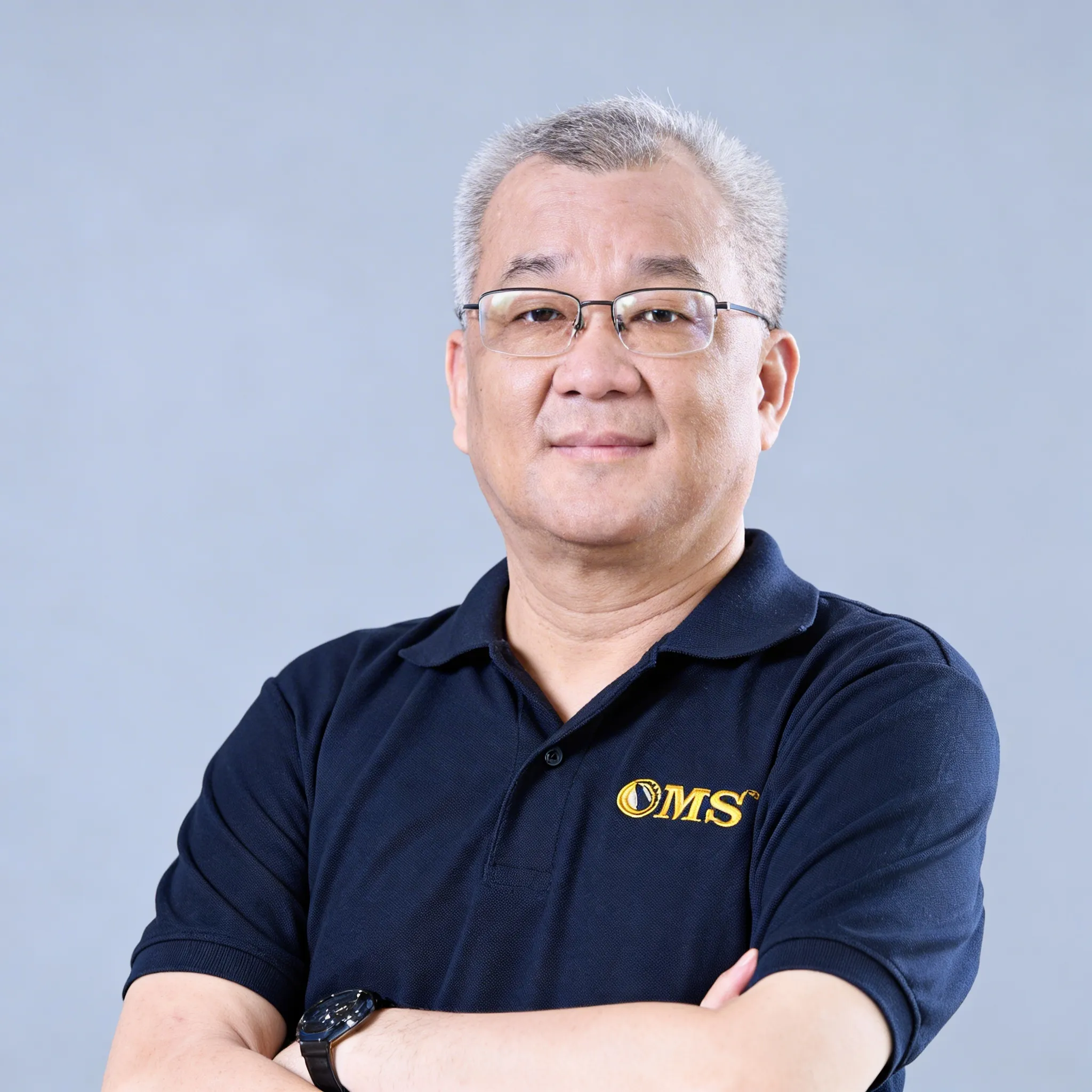
How Meng Hock has been Chief Executive Officer of OMS since 2014 and now also serves as Chairman of the Board. He previously held roles at Vetco Gray (later part of GE Oil & Gas), Cameron International (now part of SLB), and Sumitomo Corporation before leading the management buyout of OMS and steering its United States listing.
In an interview with Frontier Enterprise, How outlines how OMS is pursuing operational improvements and business transformation with new technologies, and the practices that Singapore’s legacy heavy-industry companies can adopt to accelerate their own progress.
How are Singapore’s legacy heavy-industry companies using frontier technologies to improve operations and customer experience?
The way forward for heavy industry companies isusing AI for manufacturing to improve efficiency, cost management, and creating new business opportunities. Areas being worked on include quality assurance, operations optimisation, predictive maintenance, prototype designing, real-time analytics and remote monitoring, and automation to reduce hazardous work handling, which improves safety.
Where are Singapore’s heavy industry companieslacking in their application of frontier technologiesand where can they find quick value?
The lack of application mostly comes from limited knowledge of how to adopt the technologies, lack of talent or skill sets, or a lack of data integration. As a result, quick value tends to come from the same operational areas already being explored: quality assurance, operations optimisation, predictive maintenance, prototype designing, real-time analytics and remote monitoring, as well as automation to reduce hazardous work handling, which improves safety. Another area is additive manufacturing, where rapid prototyping and spare parts production can cut lead times and inventory costs.
How is OMS using frontier technologies totransform its business?
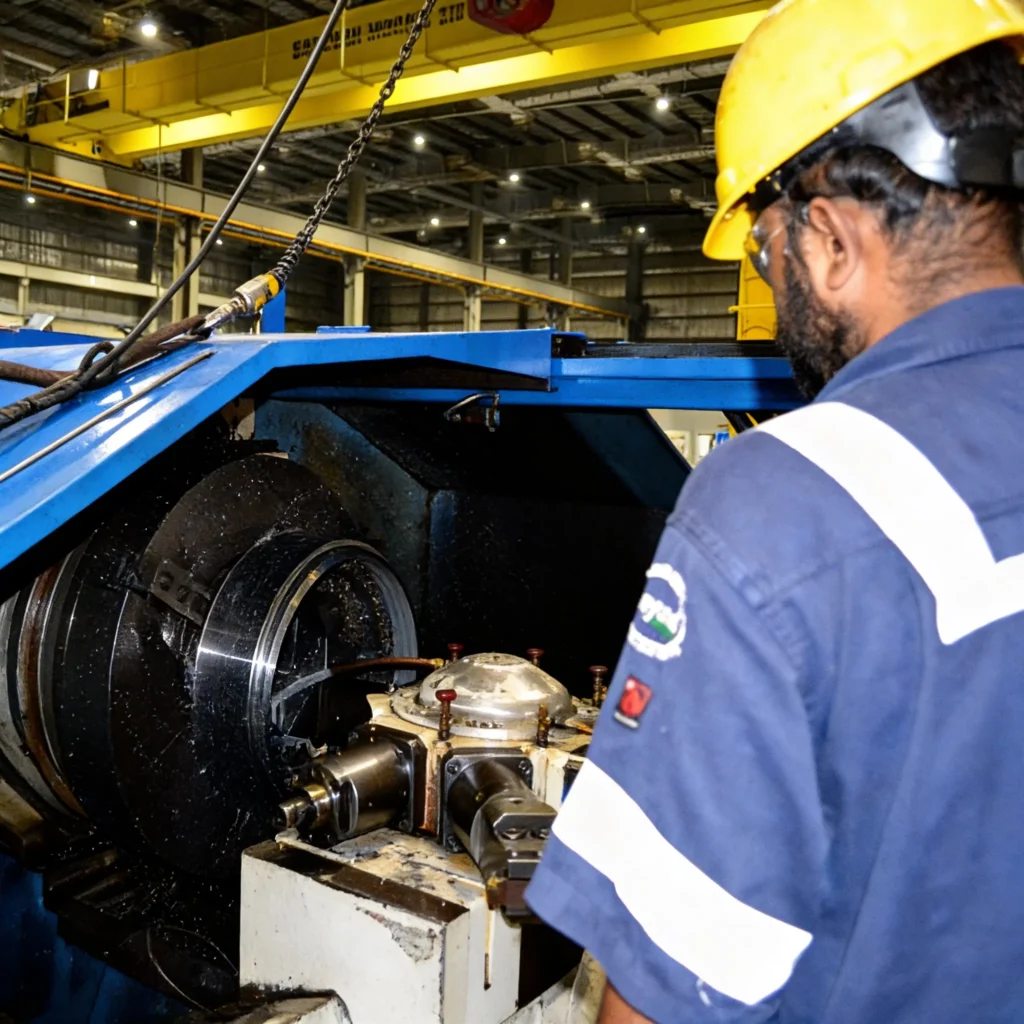
Today we are adopting additive manufacturing for our operational needs and using it to prototype how specific parts can be applied to our product offerings. We are also looking into detection and quality monitoring for CNC (computer numerical control) threading, which is the automated machining process used to cut precise threads on pipes and connectors, and a smart energy management system to monitor real-time energy consumption at the equipment and shop-floor level, enabling us to identify inefficiencies and optimise energy usage.
How is OMS using frontier technologies totransform its business?
The adoption of frontier technologies enables OMS to look deeper into operational efficiencies, reducing cost, improving product quality, and enhancing safety in the working environment. It is also an opportunity to prototype new designs without incurring high cost and wastage. Frontier technologies now allow us to explore remote inspection using robotics of our installed bases instead of risking personnel at well sites. This also supports our learning insustainability, especially in energy management.
What does OMS’s technology stack look like today, and what changes are anticipated?
The tech stack in OMS is quite low, and I foresee higher AI integration at scale in terms of operational efficiencies, design optimisation, predictive maintenance, and using AI in core workflows. In green energy and sustainability, we plan to move business lines into the renewal sector as an addition to the legacy business sector. From a regulatory compliance point of view, we plan to develop stronger frameworks to address cyberthreats. Business objectives driving these changes will include productivity and cost efficiency, innovation and growth in terms of product and service expansion, customer base expansion, and meeting sustainability goals, with alignment to green initiatives under the Smart Nation and Green Plan frameworks
What does Singapore need to transform its heavy industries with frontier technologies?
Expanding incentives and funding is key. However, driving awareness and encouragement strategies is equally important. Strengthening public-private partnerships, such as with SIMTech/A*Star, and building a talent and skills pipeline are also crucial.
What challenges do legacy heavy-industry companies face when shifting from mechanical operations to digital precision?
Skill gaps are a major challenge, as employees are highly skilled in mechanical engineering but lack expertise in data analytics, AI, and digital systems. Upskilling at scale is a major hurdle. Transitioning requires significant investment in hardware, software, and cybersecurity, often competing with other capital priorities in asset-heavy industries. Legacy organisations tend to have deeply ingrained processes and risk-averse cultures, making adoption slow and met with scepticism.
What role do frontier technologies play in the shift to digital precision, and what approach is needed for this transition?
Upskilling the workforce is essential. Mechanical expertise must evolve into digital competency, such as training in AI, analytics, and automation. Identifying areas where these technologies can deliver quick wins or low-hanging fruit, such as predictive maintenance and smart manufacturing is also important. Partnering with organisations like SIMTech/A*Star and higher-learning institutions to identify projects and opportunities is equally important.